For decades, we told people who couldn't start tasks to "just do it." We labeled them lazy. Unmotivated. Undisciplined. We were wrong — and neuroscience has the receipts.
What's Actually Happening
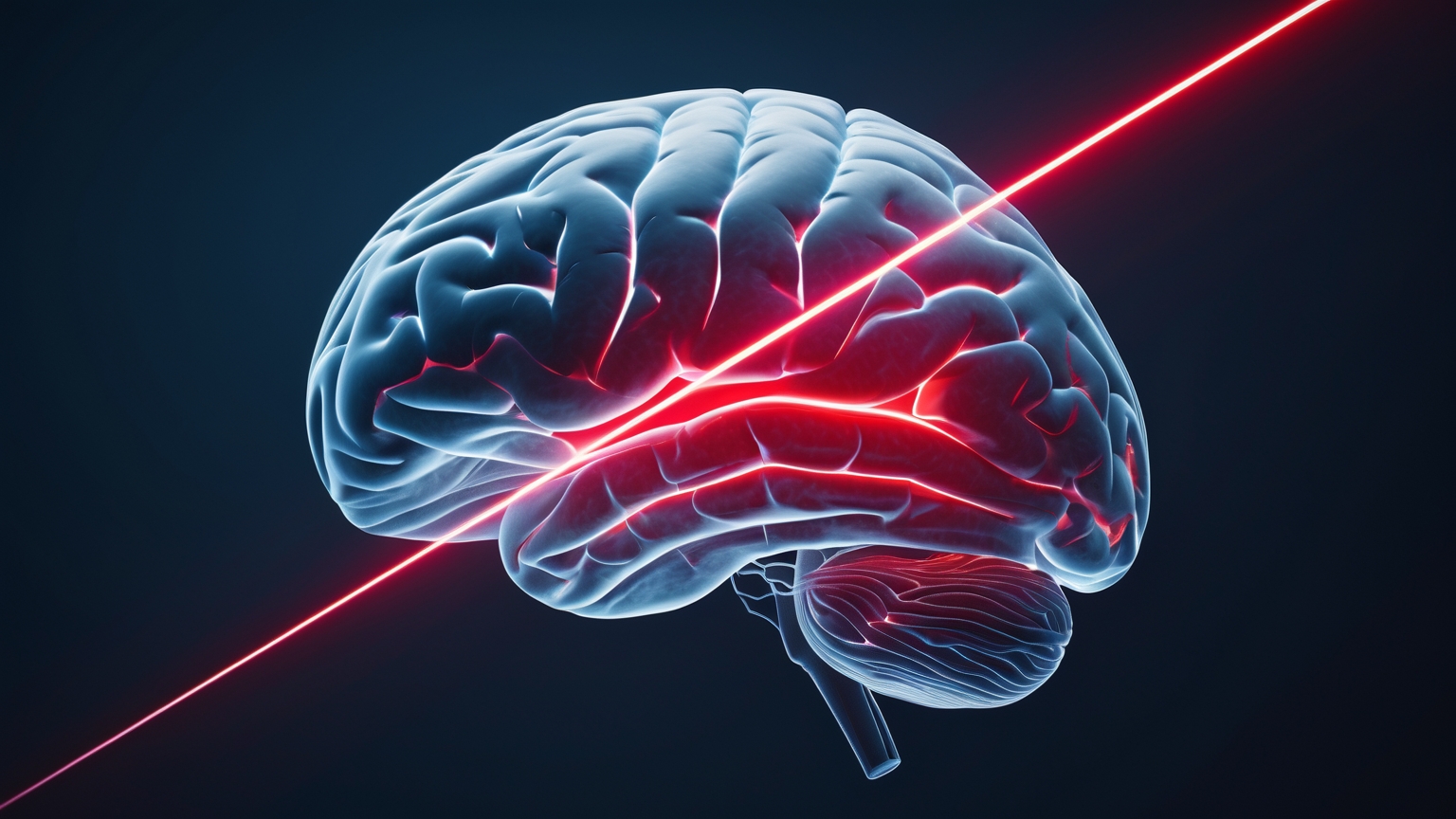
Procrastination is not a time management problem. It's an emotional regulation problem. When you face a task that feels threatening — whether that threat is failure, judgment, or simply discomfort — your amygdala fires. It reads the task as a danger signal.
Your prefrontal cortex knows the task needs to get done. Your amygdala doesn't care. It wants the threat neutralized right now. And the fastest way to neutralize a threat is to avoid it.
So you check your phone. You reorganize your desk. You do anything that makes the discomfort go away — even for 30 seconds.
The Prefrontal-Amygdala Conflict
Researchers at the University of Münster found that chronic procrastinators have a larger amygdala than non-procrastinators. The connection between the amygdala and the dorsal anterior cingulate cortex — which filters emotional signals before they reach executive function — is also weaker.
Translation: the procrastinator's brain is wired to feel task-related emotions more intensely and regulate them less efficiently. This is not a character flaw. It's a neurological pattern.
The Reframe That Changes Everything
Treat the emotion first. Then treat the task.
When you feel the pull to avoid, name it. "I'm feeling anxious about this because I might fail." That single act of labeling activates the prefrontal cortex and reduces amygdala reactivity — it's called affect labeling, and studies show it measurably reduces emotional intensity.
After you've named it, shrink the task until it no longer triggers the threat response. Not "write the report." Write one paragraph. Not "start the project." Open the file.
The goal is not to eliminate the discomfort. The goal is to lower the signal below the threshold that triggers avoidance.
The Protocol
- Name the emotion in one sentence — right now. When the avoidance impulse hits, stop and write: "I am avoiding this because I feel ___." Anxious. Afraid of judgment. Overwhelmed. The label activates your prefrontal cortex and reduces the amygdala's grip. Do not skip this step — it is the intervention, not the warm-up.
- Shrink the task until the threat signal disappears. Not "write the report." Write one paragraph. Not "start the project." Open the file. Not "prepare the presentation." Write one slide title. You are looking for the action small enough that your brain stops coding it as danger.
- Commit to two minutes only — then reassess. Set a timer. Work for 120 seconds. When it rings, decide: continue or stop. The task almost always continues on its own because starting was the only hard part. This is how every serious decision framework handles activation energy — lower the threshold until motion begins.
- Track the pattern for one week. Log every avoidance episode: the task, the emotion, and what you did instead. After seven days, you will see the pattern your brain has been running without your permission. That data is the foundation for permanent change.
Laziness is when you don't want to do something and you're okay with that. Procrastination is when you want to do something and still can't start. The difference matters — because the fix is completely different.
Stop managing your time. Start managing your threat response.